Serbia 2026: Student Victory Keeps Pro‑Russia Stance
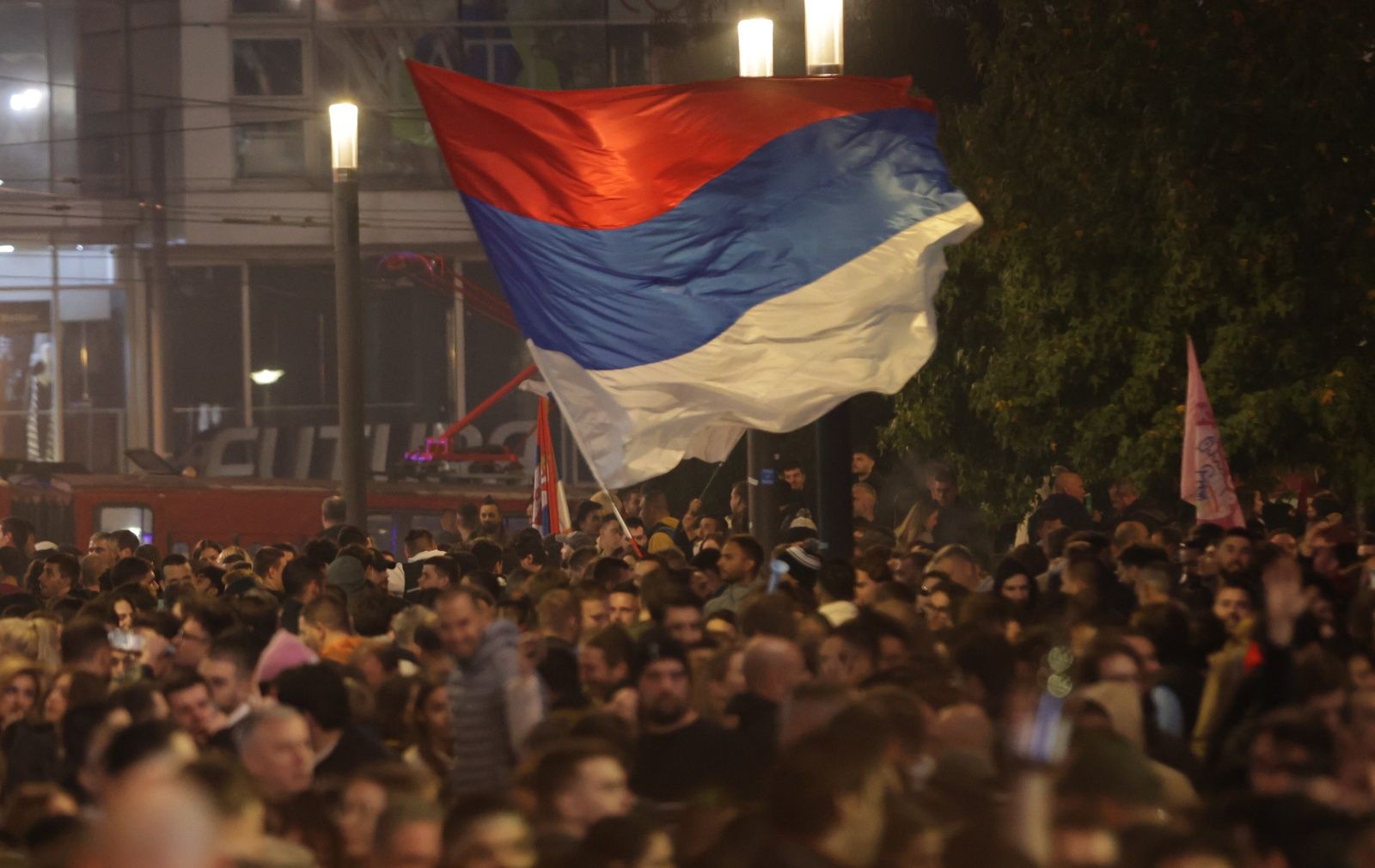
"Zmiana w Serbii? Polityk nowej większości zabrał głos ws. Rosji. Spektakularne zwycięstwo formacji "Lista Studencka – Studenci Zwyciężają" w niedzielnych wyborach parlamentarnych w Serbii nie przyniesie rewolucji w relacjach z Kremlem. Choć obóz prezydenta Aleksandara Vuczicia po latach traci większość, przedstawiciele triumfującej siły zapowiadają, że Belgrad nie nałoży sankcji na Rosję w związku z inwazją na Ukrainę, a kurs wobec Moskwy pozostanie niezmienny.."
Polecane przez InfoHub
Uzyskaj szybkie pożyczki bankowe bez wychodzenia z domu, korzystając z intuicyjnej platformy online. Decyzję o przyznaniu środka otrzymasz w ciągu kilku minut, a środki zostaną przelane bezpośrednio na Twoje konto. Pamiętaj, ostateczne warunki zależą od dostawcy.
In the October 2026 parliamentary elections Serbia experienced an unprecedented shift when the newly formed "Lista Studencka" secured 52.9% of the vote, translating into 140 seats in the 250‑member assembly. The incumbent coalition led by President Aleksandar Vučić fell to 38.8% and 103 seats, prompting Vučić to acknowledge defeat and declare his readiness to serve in opposition. Despite the dramatic turnover, the student bloc has publicly affirmed that Belgrade will maintain its existing foreign‑policy line toward Moscow, rejecting any sanctions related to Russia's war in Ukraine. The stance was reiterated by Jovo Bakić, a sociologist representing the victorious list, who described Russia as a historic partner and warned that symbolic sanctions would be politically counterproductive. Kremlin spokesman Dmitrij Pieskow welcomed the election outcome, expressing hope for "constructive relations" and emphasizing that cooperation with Serbia remains strategically important for Russia. The election results were validated by independent monitors CeSID and Ipsos, confirming the legitimacy of the student surge and the continuity of Serbia's geopolitical orientation.
🔥 Złapane przez Łowcę Okazji
Europa Środkowa i Wschodnia wobec wybranych problemów bezpieczeństwa energetycznego
The student‑driven parliamentary majority reshapes domestic politics but leaves Serbia's alignment with Russia intact, preserving a key conduit for Russian influence in the Balkans. By refusing sanctions, Belgrade safeguards economic ties, energy contracts, and a diplomatic buffer against EU pressure, while also limiting its prospects for accelerated EU accession. The outcome signals to regional actors that electoral upheavals do not necessarily translate into foreign‑policy pivots, reinforcing the notion that Serbia's strategic calculus remains anchored in long‑standing partnerships. For Russian interests, the result offers a stable ally in a NATO‑adjacent region, potentially facilitating covert cooperation and information operations. Meanwhile, the student movement faces the challenge of delivering governance reforms without alienating the Kremlin, a balancing act that will test its political maturity over the next legislative term.
Komentarz Redakcji
Serbia's electorate chose fresh faces, but the foreign‑policy script remains stubbornly familiar – a reminder that new blood does not automatically rewrite entrenched alliances.
ℹ️ Nota od wydawcy:
Powyższy nagłówek pochodzi z oficjalnych kanałów RSS.
Sekcje "Analiza" ,"Kontekst" oraz "komentarz" są generowane przez AI w celu przybliżenia tematu.
Bądź na bieżąco! Wszystkie najlepsze promocje w jednym miejscu!!
🍪 Dbamy o Twoją prywatność
Używamy cookies m.in. do analizy ruchu i personalizacji. Kontynuując, zgadzasz się na nasz
Regulamin oraz
Politykę Prywatności.