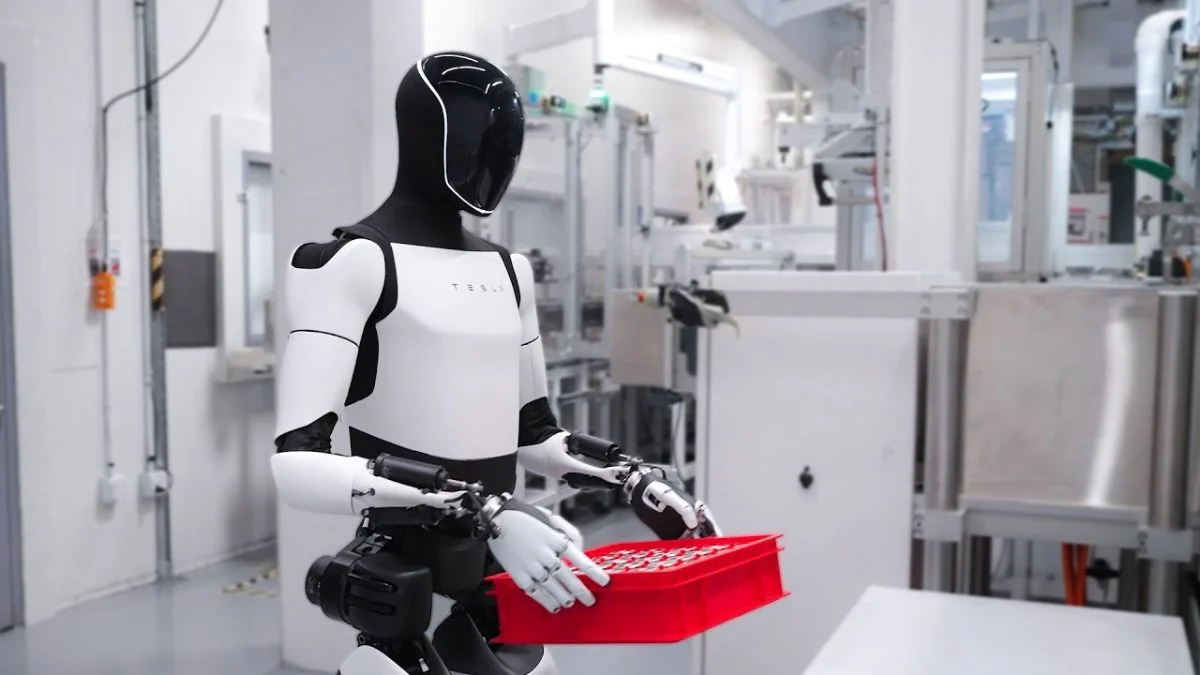
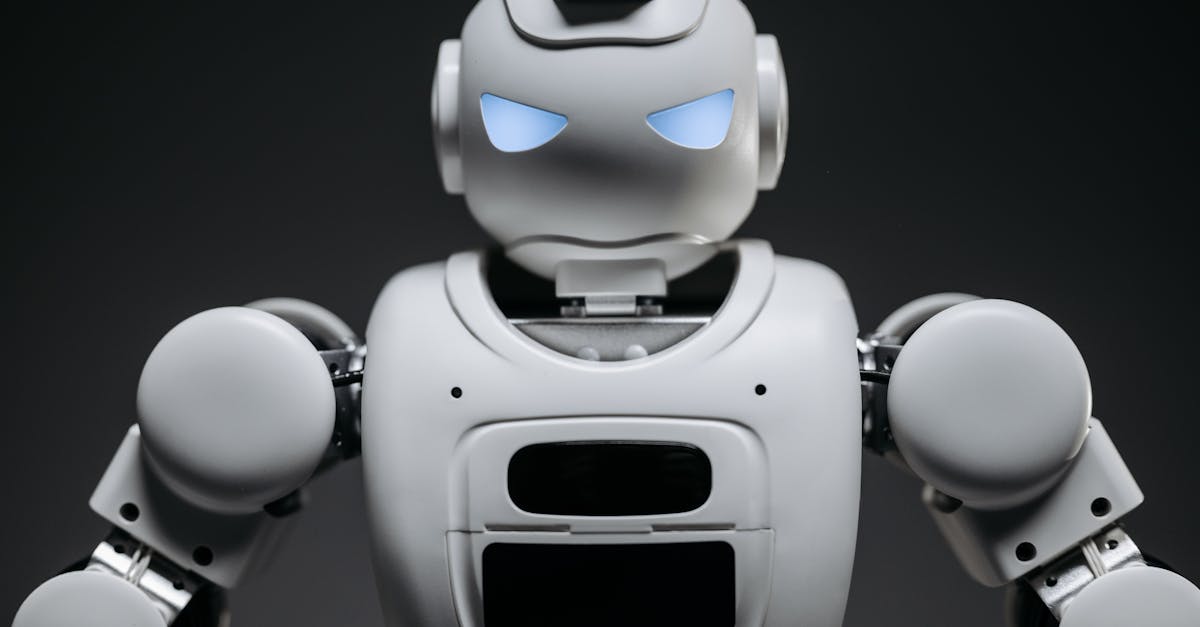
Tesla's humanoid robot, Optimus, has entered public testing phases, with prototypes seen navigating city sidewalks. Elon Musk has repeatedly touted the machines as a revolution for logistics, claiming they will soon handle mundane tasks from deliveries to construction. The company has accelerated development after unveiling a new, more agile version that can climb stairs and carry heavier loads. Critics argue that the rapid rollout outpaces safety standards and raises ethical concerns about job displacement. Nonetheless, the spectacle has captured public imagination, turning streets into makeshift labs for the future of automation.
If Musk's timeline holds, cityscapes could soon be populated by autonomous bots delivering packages, cleaning, and even assisting emergency services. Such a shift promises efficiency gains but also threatens to upend traditional labor markets, especially for low‑skill workers. Municipal authorities will need to draft new regulations governing robot traffic, liability, and data privacy. The presence of these machines may spur a wave of innovation in AI navigation and human‑robot interaction, while also igniting debates over surveillance and control. Ultimately, the rollout could redefine how we conceive public space and work in the next decade.
Komentarz Redakcji
Musk again proves that hype can outpace hardware. While the optics are impressive, the real test will be whether these metal walkers can survive a day without tripping over a curb.
ℹ️ Nota od wydawcy:
Powyższy nagłówek pochodzi z oficjalnych kanałów RSS.
Sekcje "Analiza" ,"Kontekst" oraz "komentarz" są generowane przez AI w celu przybliżenia tematu.
Bądź na bieżąco! Wszystkie najlepsze promocje w jednym miejscu!!
🍪 Dbamy o Twoją prywatność
Używamy cookies m.in. do analizy ruchu i personalizacji. Kontynuując, zgadzasz się na nasz
Regulamin oraz
Politykę Prywatności.