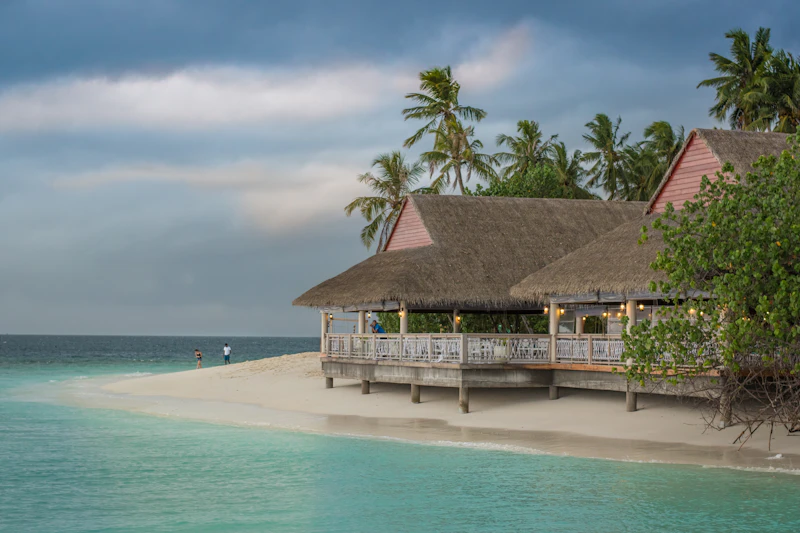
North Sentinel Island, part of the Andaman archipelago in the Bay of Bengal, remains under strict Indian jurisdiction and is surrounded by a treacherous coral reef that makes landing virtually impossible. The Indian government enforces a buffer zone of several kilometres, prohibiting any approach to protect both the islanders and outsiders, a rule reinforced by recent warnings from Onet, Polskie Radio 24 and National Geographic Polska. The Sentinelese have lived in near‑total isolation for an estimated 50,000 years, preserving a hunter‑gatherer lifestyle with bows, arrows and stone tools. Population estimates vary widely, with anthropologists and Survival International suggesting between 50 and 150 individuals, while older census data from 2011 hinted at up to 150 people. Any unauthorized contact, such as the ill‑fated 2018 missionary expedition, has ended in lethal violence, underscoring the tribe’s fierce defense of its territory. Modern satellite imagery and remote monitoring now provide the only reliable data, as on‑site surveys are prohibited. Recent media reports stress that even casual tourists are urged to stay far away, as the island represents one of the last untouched human societies on Earth.
The continued isolation of the Sentinelese highlights a rare clash between indigenous sovereignty and global curiosity, prompting intense debate over the ethics of non‑intervention versus the right to observe. International law increasingly recognizes the tribe’s autonomy, influencing policy discussions on protected indigenous zones worldwide. The strict enforcement by India serves as a precedent for other nations grappling with uncontacted peoples, potentially shaping future maritime and territorial regulations. Technological advances in remote sensing allow researchers to study the community without physical intrusion, opening new avenues for anthropological insight while respecting cultural boundaries. However, the allure of the forbidden also fuels illegal expeditions, posing ongoing security challenges and raising questions about the effectiveness of current deterrents. In the long term, the Sentinel case may drive stronger global frameworks for protecting vulnerable cultures against exploitation and disease exposure.
Komentarz Redakcji
InfoHub warns that romanticizing the ‘forbidden island’ ignores the deadly consequences of intrusion – the Sentinelese are not a curiosity exhibit, but a living testament to human resilience. Respecting their isolation is a moral imperative, not a tourist challenge.
ℹ️ Nota od wydawcy:
Powyższy nagłówek pochodzi z oficjalnych kanałów RSS.
Sekcje "Analiza" ,"Kontekst" oraz "komentarz" są generowane przez AI w celu przybliżenia tematu.
Bądź na bieżąco! Wszystkie najlepsze promocje w jednym miejscu!!
🍪 Dbamy o Twoją prywatność
Używamy cookies m.in. do analizy ruchu i personalizacji. Kontynuując, zgadzasz się na nasz
Regulamin oraz
Politykę Prywatności.