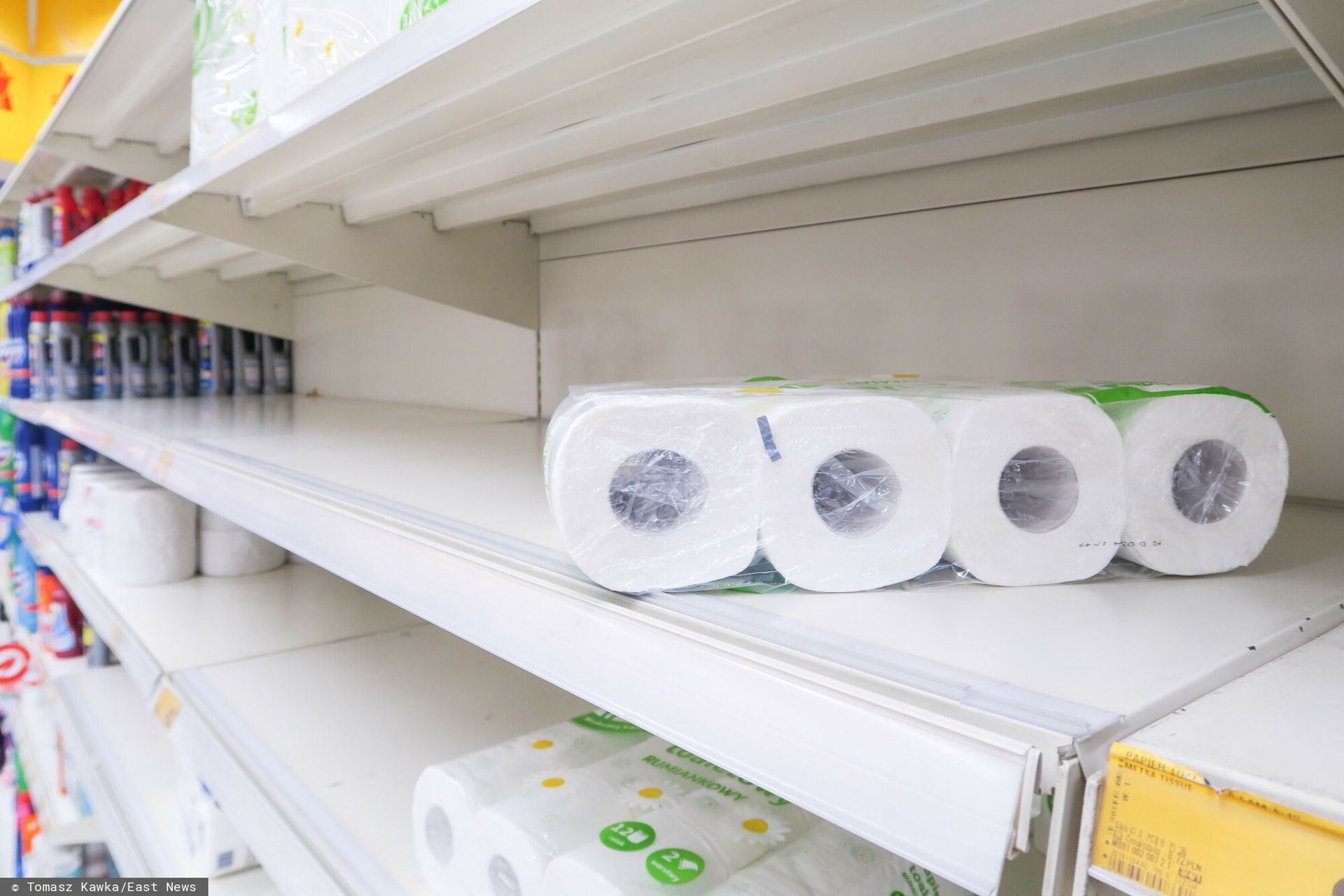
USA-Canada Trade War Triggers Toilet Paper Price Surge in 2026
"Amerykanie mocno to odczują. Wielka podwyżka cen papieru toaletowego. Spór handlowy między USA a Kanadą może uderzyć w miliony Amerykanów i dotknąć ich w bardzo prozaiczny sposób - w łazience. W kraju, który uchodzi za lidera w zużyciu papieru toaletowego, to wyjątkowo drażliwy temat.."
Polecane przez InfoHub
Planujesz zakup mieszkania lub budowę domu? Porównaj najtańsze kredyty hipoteczne i spełnij marzenie o własnym kącie.
In August 2026 the United States and Canada entered a new phase of their long‑standing trade dispute, with Ottawa announcing retaliatory tariffs effective 8 September that will raise duties on toilet‑paper pulp and finished rolls by 25‑50 percent. The measure follows a series of punitive US duties on Canadian steel and aluminium, and is intended to pressure Washington on broader market access issues. American manufacturers, whose supply chains are built for high liquidity, warn that sudden spikes in demand – amplified by panic buying – could overload a system that normally delivers products just‑in‑time. At the same time, global oil prices have plunged, driven by a sharp decline in Brent crude despite reduced traffic through the Strait of Hormuz, easing transportation costs for raw materials but not offsetting the tariff shock. The United States remains the world’s largest per‑capita consumer of toilet paper, averaging 141 rolls per person per year according to Statista data from 2018, a habit that magnifies any price movement. Industry groups such as the American Forest & Paper Association have urged consumers to avoid hoarding, emphasizing that the market can absorb normal demand without panic. The combined effect of higher duties, a tightly calibrated supply network, and entrenched consumption patterns sets the stage for a noticeable rise in household expenses across the country.
🔥 Złapane przez Łowcę Okazji
Męska koszula z krótkim rękawem i kubańskim kołnierzem - jasnobrązowa V6 - Rozmiar: S
The immediate impact will be a 25‑50 percent jump in retail prices, pushing many families into tighter budget constraints and contributing to broader inflationary pressure in the post‑pandemic economy. Retailers may respond by limiting bulk purchases, while manufacturers could seek alternative sourcing or invest in domestic pulp production to mitigate tariff exposure. Politically, the episode adds fuel to congressional debates on trade policy, with consumer advocacy groups likely to demand relief measures. Over the longer term, sustained price hikes could accelerate interest in reusable or alternative hygiene products, reshaping a market that has been dominated by disposable paper for decades. The situation also illustrates how geopolitical friction can quickly translate into everyday costs, reinforcing the interconnectedness of trade policy and domestic welfare.
Komentarz Redakcji
When a trade spat over steel turns into a bathroom crisis, it’s a stark reminder that policy decisions reverberate in the most intimate corners of daily life. The absurdity of fighting over paper while families scramble for basics deserves a louder public outcry.
ℹ️ Nota od wydawcy:
Powyższy nagłówek pochodzi z oficjalnych kanałów RSS.
Sekcje "Analiza" ,"Kontekst" oraz "komentarz" są generowane przez AI w celu przybliżenia tematu.
Bądź na bieżąco! Wszystkie najlepsze promocje w jednym miejscu!!
🍪 Dbamy o Twoją prywatność
Używamy cookies m.in. do analizy ruchu i personalizacji. Kontynuując, zgadzasz się na nasz
Regulamin oraz
Politykę Prywatności.